
Solar power is a cornerstone of the global shift toward clean, renewable energy. Within this expansive field, SPV holds significant importance and is used across contexts such as technology and project financing. Understanding SPV provides insight into technological advancements and financial structures driving solar deployment in India and worldwide.
Understanding the SPV Full Form in Solar Power
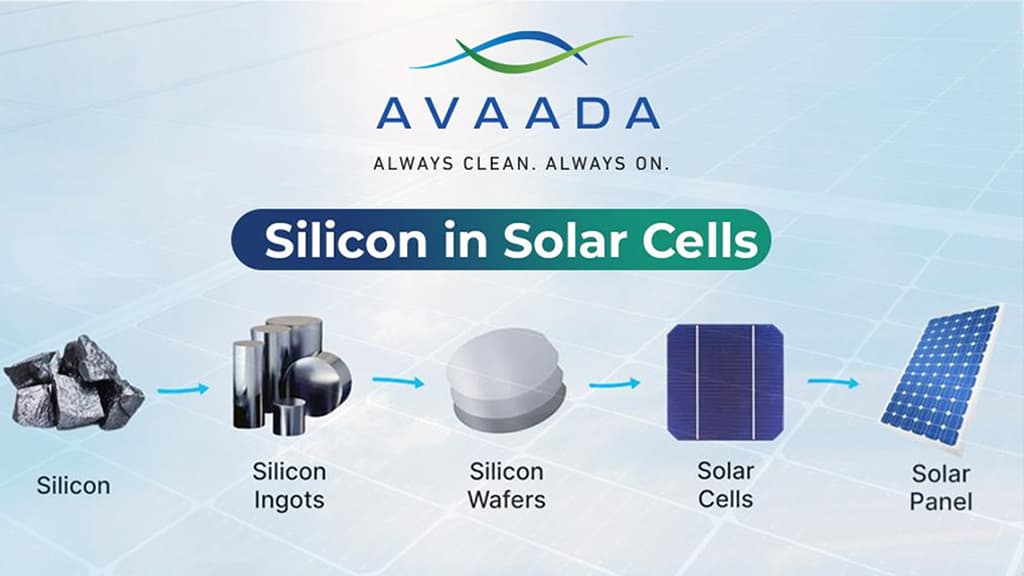
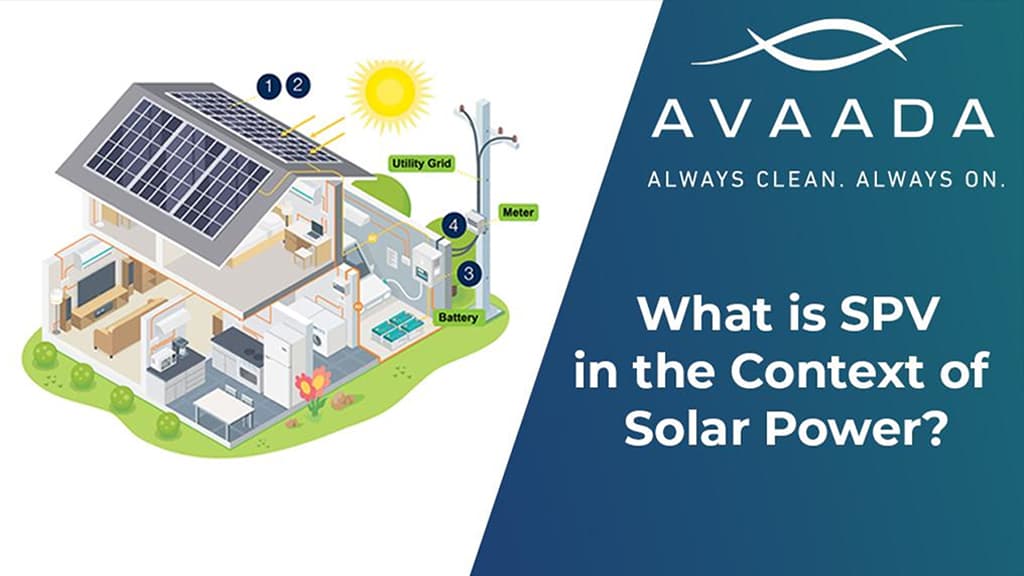
SPV stands for Solar Photovoltaic, the technology that converts sunlight directly into electricity using crystalline silicon semiconductor solar cells. These cells, assembled into modules or panels, generate direct current (DC) when exposed to sunlight, which inverters later convert to alternating current (AC) for usage. Solar photovoltaic technology is central to residential, commercial, and industrial solar energy solutions worldwide, delivering sustainable, clean electricity at increasingly cost-effective prices.
SPV Full Form in Construction and Project Finance
In the financial and construction sectors, an SPV (Special Purpose Vehicle) is a legally separate entity created to execute and manage individual projects, such as solar power plants. This structure isolates project risk from parent organizations, streamlines contract and asset management, and attracts investors seeking transparent, risk-contained investments. SPVs are crucial for the timely and disciplined execution of solar infrastructure, balancing regulatory compliance, operational accountability, and investor confidence.
The Importance of SPVs in Solar Power Projects
SPVs serve as critical vehicles that own solar assets, manage revenue from power sales, and operate the assets. This separation and focus facilitate smoother capital raising and risk management, supporting industry growth. In India, SPVs play a pivotal role in harnessing investor funds, complying with energy regulations, and fostering confidence in renewable energy markets. The term SPV thus highlights solar energy deployment as a blend of technical innovation and sophisticated financial structuring.
Avaada’s Strategic Role in India’s SPV and Solar Market
Avaada is a key Indian player driving both technological innovation and project execution. Manufacturing high-efficiency solar modules, including 610Wp, 630Wp and 720Wp modules. Avaada operates an 8.5 GW module manufacturing ecosystem. It includes a 1.5 GW facility near New Delhi and utilizes advanced n-type TOPCon bifacial technology with multi-busbar designs. Avaada maintains high module efficiency and reliability. Their modules comply with international standards (IEC, BIS, UL) and Indian mandates (ALMM), enabling deployment in major solar farms, especially in Maharashtra, Rajasthan, Uttar Pradesh, Madhya Pradesh and Gujarat, regions targeted for aggressive solar capacity growth.
Solar Power Energy and Green Energy Solutions
SPV technology underpins modern solar power energy, converting sunlight into sustainable, low-carbon electricity. Solar green energy solutions span rooftop panels, large-scale solar farms, solar water pumps, and hybrid systems integrating storage. These technologies reduce fossil fuel dependence and carbon emissions, aligning India’s energy infrastructure with its national goal of 500 GW of non-fossil fuel electricity capacity by 2030. Avaada’s innovations and manufacturing excellence contribute to this transition, expanding access to clean energy while supporting industrial and rural electrification.
The Role of SPV in Off-Grid and Grid-Connected Systems
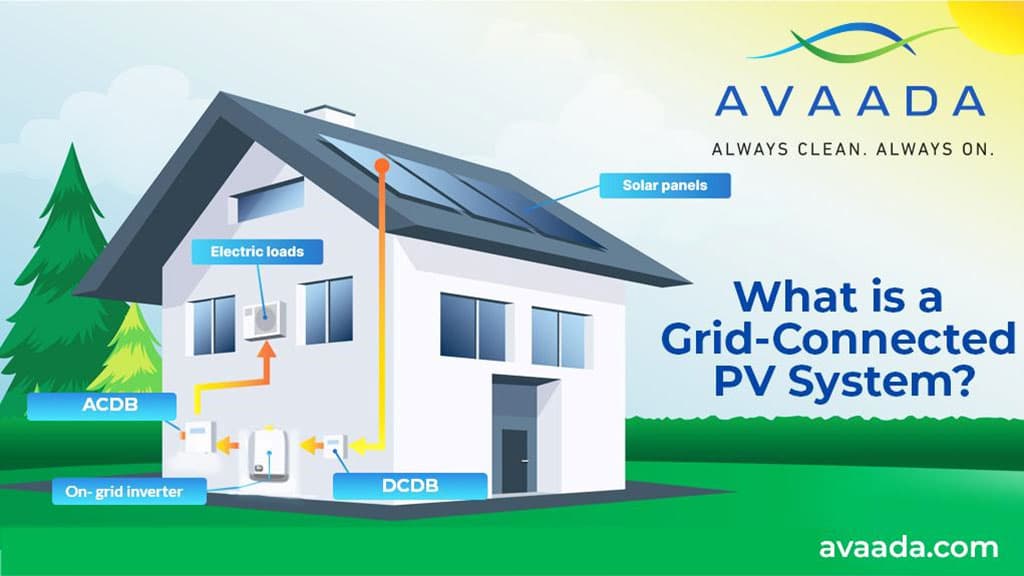
In off-grid solar systems, SPV modules provide reliable power where grid access is unavailable, critical for rural areas and telecom infrastructure. Their modular design allows scalable installations from small homes to larger setups with batteries and backup systems. In grid-connected configurations, SPV systems export surplus power, reduce consumption costs, and enhance grid stability with seamless power flow between the user and the grid.
SPV's Impact on Rural Electrification and Energy Access
- SPV technology is transforming rural electrification by enabling off-grid solar solutions that provide reliable power in remote and underserved areas.
- Leveraging modular, scalable photovoltaic systems, villages, farms, and telecom towers in states like Rajasthan, Maharashtra, and Uttar Pradesh gain consistent electricity for lighting, irrigation, and communication.
- Solar home systems with SPV modules reduce reliance on costly, polluting diesel generators, improving air quality and lowering household expenses.
- Community solar microgrids supported by SPVs enhance energy security while allowing local ownership and management, fostering sustainability and economic growth.
- Government initiatives promoting SPV adoption through subsidies and training programs accelerate deployment and capacity building.
- This democratization of energy access helps bridge urban-rural divides and supports India’s commitment to an inclusive, clean energy transition.
Future Trends and Innovations in SPV Technology
The SPV sector continues to evolve, with innovations such as n-type TOPCon and heterojunction cells elevating efficiencies beyond 25%. Avaada leverages integrated manufacturing to lower costs and improve scalability. Advances in module bifaciality, tandem solar cells, and digital monitoring systems are another frontier, blending technology and sustainability to optimize energy yield and asset longevity. These trends place Indian SPV manufacturing at the forefront of global clean energy innovation.
Conclusion
SPV (Special Purpose Vehicle), Solar Photovoltaic technology, and Special Purpose Vehicles in project finance are dual cornerstones of India’s renewable energy movement, merging cutting-edge tech with strategic capital deployment. Avaada exemplifies this synthesis through high-quality module manufacturing and structured project execution, enabling India’s ambitious solar targets and contributing to a cleaner, energy-secure future.
FAQs
What does SPV mean in solar power?
SPV in solar power commonly refers to solar photovoltaic, a technology that converts sunlight into electricity using semiconductor solar cells. In project development, SPV can also refer to a Special Purpose Vehicle, a separate legal entity created to develop and operate solar power plants.
What is the full form of SPV in solar energy?
The full form of SPV in solar energy is solar photovoltaic. It describes the technology used in solar panels to generate electricity directly from sunlight using photovoltaic cells made of silicon-based semiconductors.
What is an SPV company in solar projects?
An SPV for solar projects is a special-purpose vehicle specifically formed to own, finance, and operate a solar power plant. It helps isolate project risks, improve financial transparency, and attract investors while ensuring smooth regulatory and operational compliance.
Why is SPV important in solar power plants?
SPVs are important because they separate project risk, simplify financing, and ensure accountability. They manage power purchase agreements (PPAs), asset ownership, and revenue flow, making large-scale solar projects more bankable and attractive to lenders and investors.
Is SPV used only in solar energy?
No, SPV is not limited to solar energy. While Solar Photovoltaic is specific to solar power, Special Purpose Vehicles are widely used in infrastructure sectors such as wind energy, highways, airports, real estate, and power transmission projects.
What is the difference between SPV and a solar power plant?
SPV refers to either the technology (Solar Photovoltaic) or the company structure (Special Purpose Vehicle), whereas a solar power plant is the physical facility that generates electricity. In many projects, the SPV company legally owns and operates the solar plant.
How does SPV help in solar project financing?
SPVs enable easier solar project financing by isolating assets and liabilities within one entity. This structure gives lenders confidence, improves cash-flow visibility, and supports long-term power purchase agreements, making debt and equity funding more accessible.
What is SPV in rooftop solar systems?
In rooftop solar systems, SPV typically refers to solar photovoltaic technology. These systems use PV modules to convert sunlight into electricity, allowing homes and businesses to reduce electricity bills and export surplus power to the grid through net metering.
What role does SPV play in rural electrification?
SPV technology supports rural electrification through off-grid solar systems and microgrids. These systems provide reliable electricity in remote areas, reduce dependence on diesel generators, and enable sustainable energy access for homes, farms, schools, and telecom towers.
What is the future of SPV technology in India?
The future of SPV technology in India includes advanced modules such as n-type TOPCon, bifacial panels, and tandem cells. These innovations improve efficiency, reduce costs, and support India’s target of achieving 500 GW of non-fossil fuel capacity by 2030.